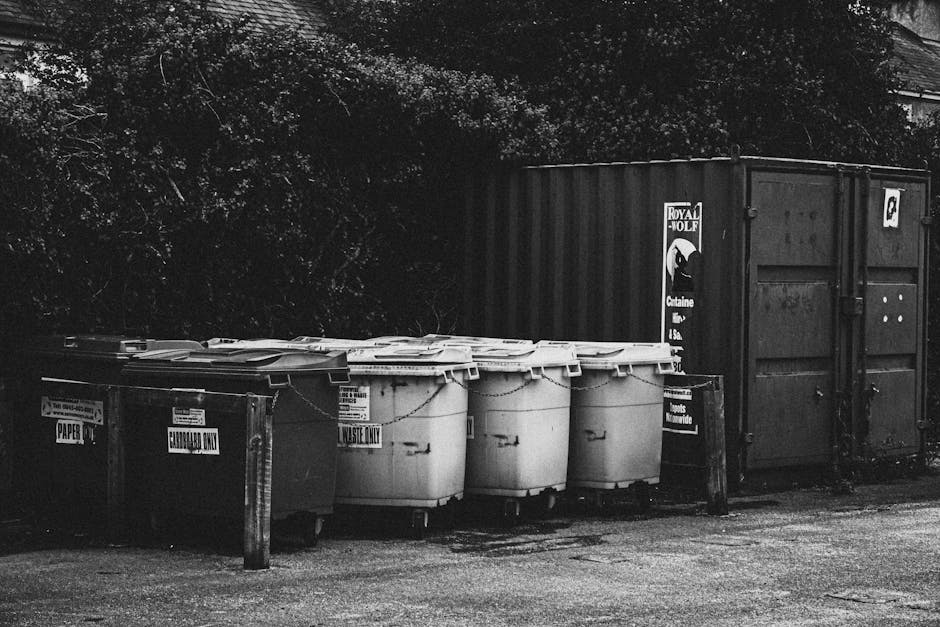
Avoid Fines: Waste Disposal Rules for Purley Residents
Posted on 29/07/2026

If you live in Purley, waste disposal can feel simple right up until it goes wrong. A bag left beside a full bin, a sofa dumped on the pavement, or a DIY clear-out that ends with the wrong van load at the wrong place can lead to complaints, rejected waste, or worse, a fine. This guide on Avoid Fines: Waste Disposal Rules for Purley Residents is here to help you stay on the right side of local expectations, avoid common mistakes, and handle household or move-related waste with a bit more confidence. No drama, no guesswork, just practical advice you can actually use.
Purley homes come in all shapes and sizes, from compact flats to bigger family houses with lofts, garages and sheds full of "we'll sort that later" items. Truth be told, that later is often when disposal problems start. Let's make it easier.
Why Avoid Fines: Waste Disposal Rules for Purley Residents Matters
Waste rules are not just about keeping pavements tidy. They are about public health, shared space, property standards, and avoiding nuisance for your neighbours. In a busy place like Purley, a single incorrectly dumped item can create an eyesore fast, especially on residential streets where collection days and parking patterns already make things a bit tight.
Fines usually happen when waste is left where it should not be, handed to the wrong operator, or treated casually because "it's only a small amount." That thinking can be expensive. A bag of mixed rubbish, an old mattress, broken electronics, or a load from a move can all need careful handling. If you are planning a declutter, house move, flat clear-out, or office clean-up, this matters even more. For a wider moving plan, many residents also find smart decluttering before a move helps them reduce waste before it becomes a disposal headache.
There is also a trust issue here. If you pay someone to remove waste and they dispose of it badly, the problem can come back to you. That is why checking how waste will be handled is not fussy; it is sensible. A quick question now can save a lot of explaining later. And nobody wants that phone call, let's face it.
How Avoid Fines: Waste Disposal Rules for Purley Residents Works
The basic idea is straightforward: waste should be separated, stored, moved and handed over responsibly. In practice, that means thinking about what the waste is, whether it is recyclable, whether it is bulky, and where it is allowed to go.
Most Purley residents deal with waste in one of five ways:
- Using normal household bins for everyday rubbish
- Separating dry recyclables from general waste
- Booking or using arranged collection routes for bulky items
- Taking suitable items to an approved disposal or reuse route
- Using a removal or clearance service that handles waste lawfully
The easiest place to go wrong is with mixed loads. A box of kitchen clutter may look harmless, but if it includes batteries, paint tins, food waste, broken glass or electrical bits, it needs more care than a standard black sack. Another common issue is leaving waste outside too early. If the timing is off, rain, wind, animals or opportunistic passers-by can turn a neat pile into a street problem by morning.
For move days, the process becomes more layered. Furniture packaging, old appliances, damaged fixtures, and discarded boxes all stack up at once. This is where a calm plan matters. If you are packing ahead of time, packing like a pro can help reduce waste, while cleaning before you move stops usable materials from being thrown away at the last minute.
Key Benefits and Practical Advantages
Getting disposal right is not just about avoiding penalties. It also makes life cleaner, quicker and less stressful.
- Lower risk of fines or complaints: You reduce the chance of breaching local waste expectations.
- Safer homes and streets: No broken glass, overfilled bags or dumped items sitting around.
- Better recycling outcomes: Materials that can be reused or recycled are less likely to end up in general waste.
- Less move-day chaos: A tidy waste plan keeps the process under control when time is tight.
- Cleaner final handover: This is especially useful for landlords, tenants and anyone preparing a property sale.
- Less back strain and fewer mishaps: Heavy or awkward items handled properly are simply safer.
There is also a quieter benefit: peace of mind. When you know a load is dealt with correctly, you do not keep wondering whether that pile of broken furniture or bag of renovation offcuts is going to come back to haunt you. Sounds small. It really isn't.
If disposal is part of a bigger move, a bit of planning around the van load can help too. For example, reading about van loading and parking rules on Purley High Street can save time and avoid the kind of disruption that gets neighbours irritated before the day has even warmed up.
Who This Is For and When It Makes Sense
This guidance is useful for almost anyone in Purley, but a few groups benefit most.
- Homeowners clearing out a property: Lofts, sheds, garages and spare rooms often generate bulky waste fast.
- Tenants preparing to move: End-of-tenancy clear-outs often expose items that cannot be left behind.
- Landlords and letting agents: You need properties handed over tidy and compliant.
- Students moving in or out: Small rooms still create surprisingly awkward waste piles.
- Small businesses: Office furniture, packaging and old stock need proper handling.
- Anyone dealing with furniture or appliances: Sofas, beds, wardrobes and white goods need extra thought.
It also makes sense when the job feels "too small" to bother with formal planning. That is exactly when issues creep in. A couple of broken shelves, an old mattress, a few bags of mixed rubbish... and suddenly the boot is full, the street is messy and nobody is quite sure where anything should go.
For heavier or awkward items, it is worth pairing disposal thinking with safer lifting habits. A quick read on safe solo heavy object lifting or the practical advice in kinetic lifting can help if you are moving things yourself. It is not glamorous, but it beats a twisted back on a rainy Tuesday.
Step-by-Step Guidance
If you want the simplest route to compliant disposal, use this sequence. It works well for house clearances, move-outs and ordinary decluttering jobs.
- Sort everything into categories. Separate general waste, recycling, reusable items, electricals, textiles, furniture, and anything hazardous or specialist.
- Check what can stay out of the waste stream. Sell, donate or store anything useful. A lot of items get discarded because no one stops to ask whether they still have value.
- Break bulky items down safely. Remove legs, shelves, cushions or loose parts where possible. This makes loading easier and reduces damage.
- Keep hazardous items apart. Paint, chemicals, batteries, gas-related items and sharp objects should never be mixed casually with ordinary rubbish.
- Use the right disposal route. Household bins are for household waste. Bulky waste needs a more suitable path. Business waste needs its own process.
- Label and bundle clearly. When things are organised, it is easier to move quickly and avoid mistakes on the day.
- Load responsibly. Nothing should hang loose, spill, or become unstable in transit.
- Get proof of proper disposal where relevant. If you are using a clearance or removals provider, keep records or written confirmation if available.
A practical example: if you are moving from a flat near the station and clearing old furniture at the same time, group items by type before the van arrives. That way the load is not a jumbled mountain of boxes, chair legs and ripped packaging. You will notice the difference immediately. Less faff, less shouting, less risk.
If the move itself is complex, it may help to combine the disposal plan with a broader moving plan like a peaceful house move approach or, for tighter homes, safe furniture tactics for narrow stairs. Those small adjustments often prevent last-minute dumping.
Expert Tips for Better Results
Here are the habits that usually make the biggest difference.
- Start earlier than feels necessary. Waste disposal becomes stressful when it is left for the last day.
- Use one zone for "maybe" items. That prevents you from tossing usable things by accident.
- Keep a separate bag for mixed odds and ends. Screws, cables, brackets and fixings can otherwise disappear into general waste or get left behind.
- Wrap breakables before moving them. Broken ceramic and glass can create a safety issue very quickly.
- Do not overfill bags. Heavier bags are harder to lift and more likely to split. Quite annoying, really.
- Ask in advance how a provider handles waste. Reputable companies should be able to explain their process plainly.
- Think about storage before disposal. If an item may be needed later, storing it temporarily is better than rushing into a mistake. For that, storage in Purley can be a calmer option than dumping something you may want back.
One useful rule of thumb: if you would not be happy seeing the item sitting in a communal area overnight, it probably needs a better plan. Simple, but oddly effective.

Common Mistakes to Avoid
Most disposal problems are very ordinary. That is the annoying part. They are also avoidable.
- Leaving waste on the pavement too early: This can attract complaints or create an obstruction.
- Mixing recyclable and general waste unnecessarily: It makes disposal less efficient and often more expensive.
- Ignoring bulky items: Sofas, mattresses and wardrobes do not magically disappear. They need a route.
- Assuming every collection service is the same: They are not. Some are more careful, some are not. Ask questions.
- Dumping items because they feel hard to move: That is how fines and neighbour disputes begin.
- Forgetting about parking or access: A perfectly planned waste load can fall apart if the van cannot get close enough.
A lot of people also forget the small stuff. Drawers full of broken chargers, loose batteries in kitchen clutter, a half-empty tin of paint at the back of the shed. Tiny items, awkward consequences. Before you know it, there is more sorting than throwing away. But that is usually a good thing.
Tools, Resources and Recommendations
You do not need specialist equipment for every job, but a few basics make disposal cleaner and safer.
- Heavy-duty bin bags: Useful for general waste, but do not overload them.
- Sturdy boxes and tape: Good for sorting smaller items and keeping mixed materials separate. If you are already gathering supplies, packing and boxes in Purley can support the rest of your move too.
- Gloves: Especially for broken items, dusty loft clear-outs or garden waste.
- Label stickers or marker pens: Helpful for sorting by room or waste type.
- Furniture blankets and straps: Better for moving bulky items than dragging them blindly.
- Reliable sacks or tubs for sharps and small hard waste: Safer than loose items in a larger pile.
Also consider the moving side of the job. If your clearance is part of a bigger relocation, useful reading includes packing tips and bed and mattress transport guidance. These topics often overlap in real life. One room is being cleared, another is being packed, and the kitchen somehow becomes both at once.
For more complex or fragile items, specialist piano removals advice is a useful reminder that some possessions are simply not casual rubbish, even if they are no longer wanted where they are.
Law, Compliance, Standards, or Best Practice
When we talk about waste compliance, the safe approach is to follow the common UK principles that apply to responsible disposal: sort waste properly, do not abandon it, use legitimate carriers or collection routes, and make sure waste from a home, rental, business or move is handled in a traceable, lawful way.
For residents, the important part is not memorising legal wording. It is understanding the practical duties:
- Do not place waste where it causes an obstruction or nuisance.
- Do not rely on informal disposal arrangements that cannot be verified.
- Keep special items separate when they need special handling.
- Use approved recycling or disposal methods where required.
- Make sure anyone you hire is clear about how waste is removed and where it goes.
Best practice also means looking after neighbours, particularly in close-knit streets or apartment blocks. If bins are shared, access is tight, or parking is limited, timing matters. A quiet 7am heap of loose waste can feel very different to a tidy collection later in the day. Small detail, big difference.
If you are arranging removals as part of compliance-minded disposal, reading about removal permits in Purley and parking and access near Purley Station can help you avoid avoidable snags. That sort of planning is not overkill; it is just smart.
Options, Methods, or Comparison Table
Different waste situations call for different methods. The right choice depends on volume, item type, timing, and how much lifting you want to do yourself.
| Method | Best for | Strengths | Drawbacks |
|---|---|---|---|
| Household bins | Everyday waste and small recyclables | Convenient, familiar, low effort | Limited capacity, not suitable for bulky items |
| DIY transport to disposal point | Small to medium loads you can safely carry | Direct control, flexible timing | Requires vehicle space, lifting, and careful sorting |
| Bulky item collection | Furniture, mattresses, large household items | Less lifting, more suitable for awkward items | May require advance booking and preparation |
| Removal or clearance service | Full clear-outs, move-day waste, mixed loads | Efficient, practical, reduces stress | Needs trust in the provider and clear pricing |
In simple terms: if the item is small and ordinary, normal waste channels may be enough. If it is bulky, awkward, heavy or mixed, use a more structured route. If the job involves multiple rooms, stairs or time pressure, a coordinated clearance tends to win. Nearly every time.
Case Study or Real-World Example
Imagine a Purley family moving out of a semi-detached house after years in the same place. There is a wardrobe in one bedroom, a broken garden chair in the shed, old cables in a study drawer, and a couple of boxes from the kitchen that are mostly packaging and duplicate cookware. Nothing dramatic. Just the usual accumulated stuff.
On the first attempt, they try to handle it in a hurry. A few items go into the wrong bag, the wardrobe is left until the end, and the van is loaded without a clear separation between recyclable packaging and actual waste. By the evening, they are tired, the hallway is cluttered, and nobody is fully sure what has gone where.
The second attempt is calmer. They sort room by room. Reusable items are set aside. Packaging is flattened. Broken furniture is separated from general rubbish. Heavier items are loaded early, and smaller waste is kept in labelled bags. The result? Less mess, fewer trips, and no last-minute panic. Not flashy, just effective.
This is the real point: waste disposal gets easier when you treat it as part of the move, not as an afterthought. That shift alone prevents most problems.
Practical Checklist
Use this quick checklist before you put anything out, load anything up, or book a collection.
- Have I sorted waste into clear categories?
- Can any items be reused, donated, sold or stored?
- Are batteries, chemicals, glass and electrical items separated?
- Are bags and boxes strong enough for the weight inside them?
- Do I know where bulky items are going?
- Have I checked parking, access and loading space?
- Will anything be left outside only for the correct collection window?
- If I am using a provider, have I confirmed how disposal is handled?
- Have I kept anything valuable, sentimental or potentially useful out of the waste pile?
- Is the area left clean and safe after removal?
If you can tick most of those off, you are in good shape. If not, pause for ten minutes and re-sort. It is usually worth it.
Conclusion
Waste disposal in Purley does not have to be complicated, but it does reward a bit of structure. When you sort items early, separate bulky and hazardous waste, plan around access, and use the right disposal route, you greatly reduce the risk of fines, mess and unnecessary stress. That is especially true during moves, where everything seems to appear at once and the clock starts moving faster than you do.
Think of it as a small act of order in a busy week. The bins are easier, the street stays tidier, and you feel more in control of the move itself. That calm carries through the whole process.
Get a free quote today and see how much you can save.
And if the day feels messy anyway, that is normal. A sensible plan, a steady pace, and a bit of local know-how go a long way.