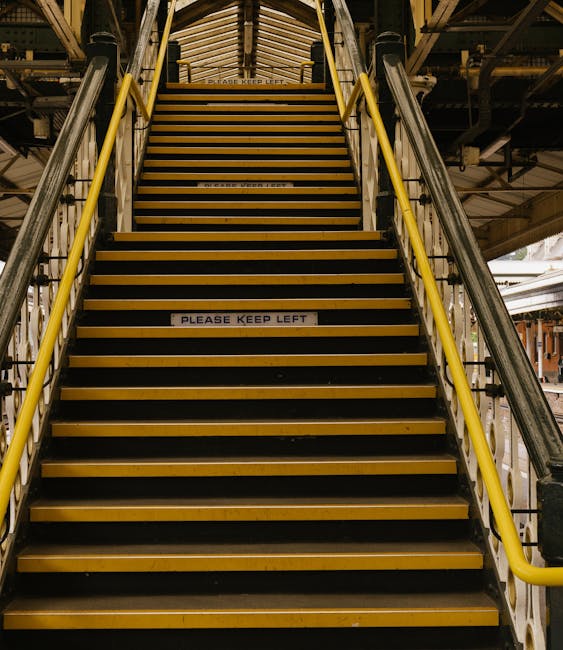
Guide to Moving Near Purley Station: Access & Parking
Moving near Purley Station can be straightforward on paper and a bit fiddly in real life. Narrow roads, timed arrivals, train traffic, shared driveways, permit worries, and awkward parking spaces can all turn a simple house move into a careful juggling act. That is exactly why this Guide to Moving Near Purley Station: Access & Parking matters. If you are trying to plan a flat move, a family house relocation, or a last-minute van drop-off close to the station, the small details make the biggest difference.
The good news? With a bit of local planning, you can avoid the usual stress points. You can reduce loading delays, protect your belongings, keep neighbours onside, and make the move feel calmer from the first box to the last. We will walk through access issues, parking strategies, loading practicalities, and the sort of mistakes that cause unnecessary headaches. And yes, a few of those headaches are the kind you only realise after the van has already turned the corner.
For broader moving help, you may also find it useful to look at our removals in Purley, man with a van in Purley, and flat removals in Purley services, especially if stairs, tight access, or limited parking are part of your moving day picture.
Table of Contents
- Why Access & Parking Near Purley Station Matters
- How Moving Access and Parking Works
- Key Benefits and Practical Advantages
- Who This Is For and When It Makes Sense
- Step-by-Step Guidance
- Expert Tips for Better Results
- Common Mistakes to Avoid
- Tools, Resources and Recommendations
- Law, Compliance, Standards, or Best Practice
- Options, Methods, or Comparison Table
- Case Study or Real-World Example
- Practical Checklist
- Conclusion
- Frequently Asked Questions
Why Access & Parking Near Purley Station Matters
Purley Station sits in a busy commuter area, which means the roads around it can change character very quickly. Early mornings, school runs, train arrivals, and commuter traffic all affect how easy it is for a removal van to stop, unload, and get away again. A move that looks simple on a map can become tricky if the van has nowhere sensible to wait, or if a loading spot is blocked by parked cars.
Access matters because removal work is not just about distance. It is about how close a vehicle can get to your front door, whether there is room to carry items safely, and how long that transfer takes. A second-floor flat with no lift and no nearby parking is a very different job from a ground-floor house with a clear driveway. To be fair, the difference is usually felt in the legs first.
Parking matters because every extra minute spent hunting for a place to stop can slow the whole move, increase stress, and sometimes create friction with neighbours or passing traffic. If you are moving around Purley Station, it is wise to treat parking as part of the move itself, not a small afterthought.
That mindset helps in other parts of the process too. A well-planned move usually goes hand in hand with packing like a pro, sensible decluttering, and thinking ahead about fragile or bulky items. If you have a piano, for example, the access plan may matter even more than the route itself; our guide to moving a piano safely explains why specialist handling can save time and worry.
How Moving Access and Parking Works
The basic idea is simple: the closer the vehicle can get to the property, the faster and safer the move tends to be. In practice, that depends on local road layout, parking availability, property type, and the size of the van or lorry being used. Around station areas, you are usually dealing with a mix of residential streets, commercial traffic, and limited stopping space.
Most move-day access planning comes down to five questions:
- Can the van stop close enough to the entrance without blocking a junction, driveway, or crossing?
- Is there room for the doors or tail lift to operate safely?
- Will the route from van to property involve steps, steep slopes, tight hallways, or shared corridors?
- Do you need temporary parking arrangements, a permit, or a backup plan?
- How will the schedule avoid busy commuter times around the station?
In some moves, the answer is a neat yes. In others, you need a plan A, plan B, and a slightly less elegant plan C. That is normal. A good removal team will assess the property, note obstacles, and choose the right vehicle and loading method. A smaller vehicle can sometimes be a better choice than a larger one if local parking is tight, which is why services such as removal van hire in Purley or man and van support can be useful for compact or awkward jobs.
It also helps to think in stages: arrival, parking, loading, transfer, and departure. If one stage gets stuck, the rest usually follows. That is why access planning is less about theory and more about reducing friction at every single step.
Key Benefits and Practical Advantages
Good access and parking planning does more than save time. It improves the whole moving experience in ways people often notice only once they have done it badly once or twice.
- Faster loading and unloading: shorter carrying distances mean fewer trips and less fatigue.
- Lower risk of damage: fewer awkward corners, fewer bumps, and less chance of striking furniture against walls or railings.
- Less stress for everyone: nobody enjoys watching a van circle the block while the clock ticks on.
- Better neighbour relations: a tidy, considerate approach keeps disruption to a minimum.
- Safer handling: less distance and fewer obstacles reduce the chance of slips, strained backs, or dropped items.
- Cleaner timing: a well-timed move can avoid the busiest commuter windows around the station.
There is also a commercial benefit. If your movers can plan access properly, they can often quote more accurately and work more efficiently. That tends to make the whole job feel more predictable, which is surprisingly valuable on moving day when emotions are already a bit frayed. If you want to compare services and practical support levels, our services overview and pricing and quotes page are good starting points.
And if your move involves a flat, student accommodation, or a place with awkward stairs, the advantage of proper parking becomes even more obvious. A short carry from van to door can make the difference between a manageable move and a miserable one. Truth be told, that is half the battle.
Who This Is For and When It Makes Sense
This guide is useful for anyone moving within walking distance of Purley Station, but some people will benefit more than others.
- Flat movers: if you are in an upper-floor apartment, access planning is essential, especially where lifts are small or shared.
- Families in terraced or semi-detached homes: loading space may be tight, and you may need to manage neighbours' parking too.
- Students: if your move is small but time-sensitive, a compact vehicle and quick parking plan can be ideal. See our student removals in Purley for a more tailored option.
- Office and small business movers: if you are relocating equipment near the station, timing and road access matter for staff and deliveries alike. Our office removals page covers that type of move well.
- Anyone with bulky or fragile furniture: sofas, beds, wardrobes, and pianos are much easier to handle when the van is positioned properly.
If you are moving in a hurry, the access question becomes even more important. Same-day arrangements leave very little room for error, so a reliable local team and a sensible vehicle choice can save the day. Not glamorous, but true. If that sounds like your situation, have a look at same-day removals in Purley.
It also makes sense when you are trying to decide whether to manage the move yourself or call in support. If your route includes a long walk from parking space to front door, or if you are moving furniture upstairs, using professional help is usually the calmer choice. Our piece on safe solo heavy object lifting is worth a read if you are still weighing up what to lift yourself and what to leave alone.
Step-by-Step Guidance
Here is a straightforward way to plan a move near Purley Station without making it overly complicated. Simple, not simplistic.
- Check the property access in advance. Note stairs, lifts, side gates, alleyways, and any shared entrances. Measure narrow points if you have large items.
- Identify the likely parking options. Look for curbside space, loading areas, private driveways, or nearby side streets. Think about where a van can pause legally and safely.
- Map the walking route. The shortest route is not always the best route. A slightly longer but smoother path can be quicker overall.
- Choose the right vehicle size. A large van is not always better. In tight station-area streets, a more compact vehicle may save time and reduce parking pressure.
- Build your loading order. Put heavy and rarely used items in first, and keep essentials or fragile items easy to reach. Our smart decluttering guide can help you reduce the load before the van arrives.
- Prepare bulky items properly. Beds, mattresses, sofas, and large cabinets should be disassembled or wrapped where practical. For bedding and support items, see how to transport your bed and mattress with ease.
- Confirm timing around the station. Avoid peak commuter periods if possible. A short delay can save a lot of hassle.
- Protect the property during the carry. Use floor coverings, door protection, and proper lifting techniques. If you want a better grip on safe handling, our article on kinetic lifting techniques gives a helpful practical overview.
- Have a backup plan. If the first parking option is blocked, know where else the van can wait without causing trouble.
- Do a final check before departure. Look for forgotten keys, boxes in hallways, and items left behind in cupboards or loft spaces. It happens more often than people admit.
One useful trick is to imagine the move from the van driver's point of view. Where would they pull up? How would they turn around? How long is the carry from curb to door? That small mental shift often reveals problems before they become real ones.
Expert Tips for Better Results
Small improvements add up quickly on moving day, especially around a station where space is at a premium.
- Book the move for a quieter window. Mid-morning or early afternoon often works better than the school-run rush or the main commuter periods.
- Keep a parking contact on hand. If a neighbour, porter, or building manager can help, ask in advance rather than at the last minute.
- Label boxes by room and priority. It sounds basic, but it makes unloading far smoother when the van is parked a little way off.
- Use furniture protection wisely. Blankets, covers, and wrapping reduce scuffs during the extra carrying distance that tight access sometimes creates.
- Separate critical items. Documents, chargers, medication, keys, and kettle essentials should travel with you, not in the back of the van. You will thank yourself later.
- Measure awkward items before move day. A sofa that fits in the lounge may still be awkward on the stairwell. That is a classic little trap.
If you are storing anything between move-out and move-in, think carefully about how it is packed and where it will sit. Our guides on sofa storage strategies and storage in Purley may help if the dates do not line up neatly.
Another practical point: tell your movers about any special access before they arrive. A five-minute conversation can prevent a fifty-minute shuffle. And if you are dealing with a really full property, our furniture removals service can be useful where individual items need extra care.
Common Mistakes to Avoid
Most moving problems near Purley Station are not dramatic, just annoying. They come from avoidable assumptions.
- Assuming parking will be easy: station-area streets can fill up quickly. Never rely on "there'll probably be a space".
- Ignoring turning space: a van may park fine but still struggle to leave safely.
- Underestimating carry distance: ten extra metres does not sound like much until you repeat it twenty times.
- Forgetting about neighbours: blocking driveways or entrances creates friction very fast.
- Starting too late: if you begin loading during the busy commuter window, delays are more likely.
- Not protecting floors and door frames: scratches happen in the small gaps between door and box, not just with big furniture.
- Trying to move everything yourself: some items really are best left to professionals, especially if there are stairs or tight corners.
A common one is under-preparing for wet weather. A damp pavement, a muddy path, or a drizzly morning can quickly make cardboard weak and shoes slippery. UK weather being what it is, that part probably needs no introduction.
Another mistake is forgetting that a move near a station is often also a public-space move. You are not just working in your own driveway or hallway; you may be navigating shared roads, pavements, and parking spots where patience and planning matter a lot.
Tools, Resources and Recommendations
You do not need fancy kit to move well, but a few simple tools make access and parking moves much easier.
- Folding sack trolley or dolly: helpful for boxes, white goods, and shorter transfer distances.
- Furniture blankets and straps: useful for protecting larger items during repeated handling.
- Labels and marker pens: they speed up unloading when parking is limited.
- Measuring tape: handy for checking doorways, stair width, and sofa dimensions.
- Phone camera: take photos of parking spots, access points, and awkward stairwells so you can brief movers clearly.
- Contact list: keep numbers for your estate agent, building manager, and removal company in one place.
If you need packing supplies, our packing and boxes in Purley page is a practical place to start. Better packing makes a real difference when items need to be carried a bit farther than expected. And if you are still deciding between full removals support and a lighter-touch service, our removal services page lays out the options clearly.
For anyone trying to reduce the amount being moved, a little decluttering goes a long way. Less stuff means less time parked on the street, fewer trips, and fewer chances for something to be dropped. That is not just neatness; it is logistics.
Law, Compliance, Standards, or Best Practice
For moves near Purley Station, the main compliance issues usually relate to parking, access, and safe operation rather than anything highly technical. You should always follow local parking restrictions, avoid blocking driveways, crossings, and junctions, and respect any permit or loading rules that apply to the street or property. If you are unsure, check before the move rather than trying to improvise on the day.
Good practice also means thinking about health and safety. That includes safe lifting, stable loads, secure wrapping, and making sure walkways are clear. If your move involves heavy or awkward items, do not assume that speed is more important than handling properly. It rarely is.
For peace of mind, it is worth reviewing a mover's approach to safety and insurance. Our insurance and safety page explains the kind of reassurance people typically look for, while the health and safety policy page gives a good sense of operational standards.
Another best-practice area is sustainability. If items can be reused, recycled, or responsibly disposed of, that is often better than simply throwing everything away. Our recycling and sustainability page is useful if you want to reduce waste while you move.
Finally, if you are sharing building spaces or using communal access, be considerate. Keep corridors clear, minimise noise where possible, and avoid leaving items outside longer than needed. Good manners may not be a law, but they do smooth the whole process. Quite a bit, actually.
Options, Methods, or Comparison Table
Different moves near Purley Station call for different approaches. The right choice depends on property type, parking availability, and how much you are moving.
| Approach | Best for | Strengths | Possible downside |
|---|---|---|---|
| Man and van | Small-to-medium moves, flat contents, single journeys | Flexible, often easier to park, good for tight access | May require more loading trips if volume is high |
| Full house removals | Larger homes, family moves, multi-room relocations | More comprehensive support, better for heavier loads | Needs stronger parking and access planning |
| Flat removals support | Apartment moves, stair-heavy buildings, limited parking | Designed around awkward access and lifting challenges | Still benefits from advance building access details |
| Same-day removals | Urgent moves, schedule changes, short-notice jobs | Speed and responsiveness | Less margin for parking problems or packing delays |
| Self-managed move | Very small loads, flexible timings, budget-led moves | Maximum control, lower service cost | More physical effort and more risk if access is poor |
If you are still uncertain, a good rule is this: the tighter the access, the more valuable professional help becomes. That is especially true around train stations, where parking space is limited and timing can be a little unforgiving.
Case Study or Real-World Example
A typical example: a couple moving from a second-floor flat near Purley Station into a terraced house a short drive away. On paper, it looked simple. The furniture was modest, the distance was tiny, and they assumed the move would be done in a single relaxed morning.
Once they checked access properly, the picture changed. The flat had a narrow stairwell, the nearest safe stop for a van was farther away than expected, and morning parking near the station was already busy. They also had a sofa that would not turn easily on the landing and a bed frame that needed partial dismantling.
What helped most was planning the loading order and choosing the right vehicle size. Instead of trying to force a larger van into a difficult street, they used a more flexible setup and loaded the heaviest items first. Boxes were labelled by room, fragile items were separated, and the move was scheduled slightly away from the busiest commuter period. Not a dramatic rescue story, just good preparation doing what good preparation does.
The result was a smoother day, less waiting, fewer unnecessary steps, and no awkward arguments about who had parked where. The moving team also had an easier time protecting floors and door frames, because they knew exactly what they were walking into before arrival.
If the move had included special items like a piano or oversized wardrobes, the access plan would have mattered even more. That is where specialist pages like piano removals in Purley and house removals in Purley become genuinely useful, not just nice to have.
Practical Checklist
Use this checklist a few days before moving near Purley Station. It keeps the important things in one place.
- Confirm the moving date, arrival time, and contact details.
- Check parking availability near both the old and new property.
- Identify any loading restrictions, permits, or building rules.
- Measure doorways, stairwells, lifts, and any tight corners.
- Separate fragile, valuable, and essential items.
- Pack and label boxes clearly by room.
- Disassemble large furniture where sensible.
- Protect floors, doors, and furniture surfaces.
- Keep snacks, water, keys, chargers, and documents close to hand.
- Arrange help for children, pets, or anyone who should stay out of the loading path.
- Have a backup parking option ready.
- Walk the route from van to front door before unloading starts.
If your move feels bigger than you first expected, that is normal. Many people discover a few hidden complications only when they start measuring and planning. Better to notice them now than on the morning itself.
Conclusion
Moving near Purley Station is all about reducing friction. If access is clear, parking is sensible, and the loading plan is realistic, the whole move becomes lighter mentally and physically. That means less rushing, less damage risk, and fewer moments where everyone stands around staring at a sofa that will not quite fit.
Start with the access route, then the parking, then the items themselves. If you get those three things right, the rest of the move tends to behave itself. Not always perfectly, of course. But enough to keep the day on track and your stress levels where they should be.
If you want support that is practical, local, and tailored to tight access around station areas, speak to a team that understands the area and the moving pressure that comes with it. A calmer move is usually a better move, simple as that.
Get a free quote today and see how much you can save.
Frequently Asked Questions
How do I plan parking for a move near Purley Station?
Start by checking the streets closest to both properties, then work out where a van can stop safely without blocking access or creating a hazard. It helps to have a backup street in mind, especially in busier periods around the station.
Do I need a small van for Purley Station moves?
Not always, but smaller vehicles can be easier to park and position in tight residential streets. If access is limited, a compact van may be more practical than forcing a larger one into a difficult spot.
What if the nearest parking space is too far from my front door?
That is common, and it is not a deal-breaker. It simply means the move may take longer and require more careful loading, protection, and planning. A professional team can usually adapt the method.
Are there loading restrictions near station areas?
There can be, depending on the street and local parking rules. Always check before the move rather than assuming you can stop anywhere for a short while.
Is it better to move early in the morning or later in the day?
It depends on the street, but avoiding peak commuter traffic is usually wise. Many people prefer a mid-morning start once the most intense station traffic has eased off.
How do I move large furniture through tight access?
Measure the furniture and the route in advance, remove legs or doors if appropriate, and protect surfaces properly. If the item is heavy or awkward, professional furniture removals are usually the safer choice.
What should I do if I live in a flat with no lift?
Tell your movers early. Stair access affects timing, labour, and the type of handling needed. It is one of those details that sounds small until moving day, then suddenly it is everything.
Can I do a same-day move near Purley Station?
Yes, sometimes. But same-day moves are tighter on time, so access and parking need to be sorted as early as possible. If you want a quicker response, see same-day removals in Purley.
How can I make the move safer for heavy items?
Use proper lifting technique, share the load, and do not rush awkward turns or stair carries. If you want more detail, our article on safe heavy object lifting is a useful read.
What if I need storage before or after moving?
Short-term storage is a practical option if your dates do not line up neatly. It can reduce pressure on moving day and keep items safe while you sort out access at the new property. See storage in Purley for a useful local option.
How far ahead should I book a removal service near Purley Station?
As early as you can, especially if you are moving at a busy time of year or you know access is tricky. Early booking gives more room to plan parking, vehicle size, and timing properly.
Do I need to tell my neighbours about the move?
It is usually a good idea, particularly if your van will affect shared parking or access. A quick heads-up can prevent misunderstandings and keeps the day more relaxed for everyone.