Office Move Guide for Purley Way and Croydon Business Parks
Posted on 14/05/2026
Moving an office is never just about desks and boxes. It is about keeping the phones on, protecting equipment, avoiding lost files, and making sure your team can carry on working without too much chaos. If you are planning a move around Purley Way or one of the Croydon business parks, you already know the pressure is a little different here: access roads can be busy, parking can be tight, and building rules are not always as flexible as you would like on moving day.
This Office Move Guide for Purley Way and Croydon Business Parks breaks the process into clear, practical steps. You will find what matters most, how office moves usually work, what to prepare in advance, common mistakes to avoid, and the kind of details that make the difference between a smooth handover and a long, frustrating afternoon with half the team standing around waiting for Wi-Fi. Truth be told, that is usually where the stress starts.
Whether you are relocating a small startup, a growing team, or a more established company with specialist equipment, the goal is the same: move efficiently, protect assets, and get back to business quickly.

Why Office Move Guide for Purley Way and Croydon Business Parks Matters
An office move is not a generic removal job. It is a business continuity project, even if nobody in the office wants to call it that. The difference matters because every hour of delay can affect clients, staff productivity, delivery schedules, and in some cases customer confidence.
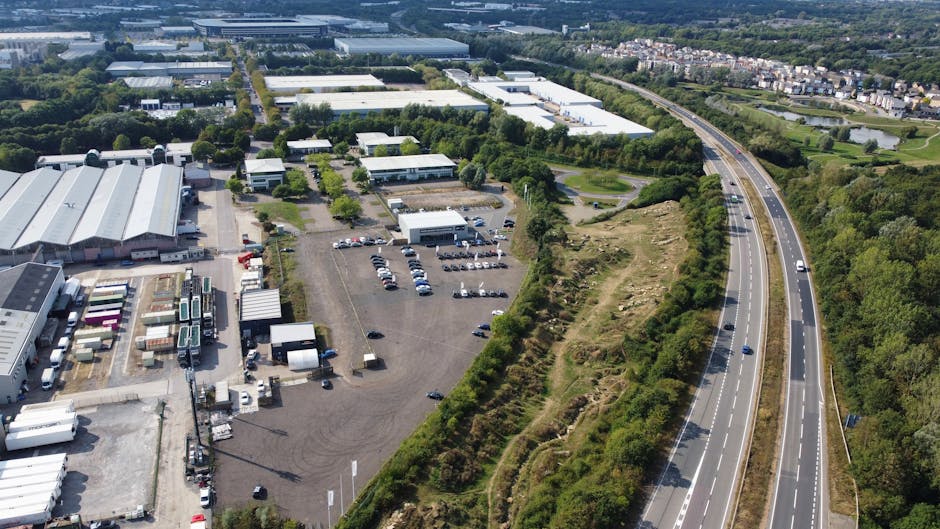
Purley Way and the wider Croydon business park area bring their own practical realities. You may be dealing with access windows, shared loading bays, business park management rules, lift bookings, traffic around busy retail and commercial routes, or a building that only allows moves outside office hours. If you do not plan for those details early, the move can become much harder than it needs to be.
For many businesses, the biggest hidden cost is not the van. It is downtime. A workstation left unpacked, a server not reconnected, or a box of essential paperwork sitting in the wrong room can slow everything down. That is why preparation matters so much.
There is also the matter of trust. Staff want to know their equipment is handled carefully. Directors want to know the move is insured and organised. Clients want continuity. A good move plan gives everyone a bit of reassurance, which sounds simple, but it goes a long way.
If you are still shaping the scope of the move, it helps to review broader support options first. Our services overview is a useful place to understand what can be covered, from packing support to full business relocations.
How Office Move Guide for Purley Way and Croydon Business Parks Works
Most successful office moves follow the same broad pattern: assess, plan, pack, move, reconnect, and review. The sequence sounds obvious, but the quality of each step is what decides whether the move feels controlled or messy.
Start with a site assessment. That means looking at the current office, the destination, and the route between them. Check access points, lifts, stairwells, parking, loading restrictions, and the location of fragile or high-value items. A printer is one thing; an awkward conference table or a server rack is another entirely.
Then build a move plan. This should set out:
- what is moving and what is staying behind
- which items need specialist handling
- who is responsible for disconnection and reconnection
- the moving date and any time restrictions
- parking or access arrangements at both ends
- contingency steps in case the building delays access
After that comes packing and labelling. Office moves go better when every box, screen, cable bundle, and chair has a clear destination. A box marked simply "misc" is a classic shortcut that causes pain later. Been there, seen it, regretted it.
The move itself should be coordinated by zone or department where possible. That makes it easier to place items in the right area on arrival. Then you reconnect the essentials first: internet, telephony, workstations, and any operational systems that affect the working day.
For packing advice that works in the real world rather than in theory, you may also find packing like a pro helpful, especially if your team is handling some of the preparation internally.
Key Benefits and Practical Advantages
A well-run office move gives you more than just a new address. It can make the business feel more organised, improve space usage, and reduce clutter that has quietly built up over the years. Let's face it, almost every office has at least one cupboard full of cables nobody admits owning.
Here are the practical benefits that matter most:
- Less downtime: careful sequencing helps your team get back to work faster.
- Lower risk of damage: proper handling reduces breakages, especially for IT and office furniture.
- Better staff confidence: people settle faster when the process is structured and communicated well.
- Cleaner setup at the new site: moving is a chance to reset storage, seating, and workflow.
- Fewer surprises: advance planning helps avoid access issues and last-minute costs.
There is also a quieter benefit: it forces decisions. What equipment is actually still needed? What should be recycled? What belongs in storage? What should be replaced rather than moved? Those decisions save time and money, even if they are a little annoying in the moment.
If you are thinking about what to keep, move, or dispose of, a structured declutter can help. Our guide to smart decluttering before a move is worth a look before you start boxing everything up.
Who This Is For and When It Makes Sense
This guide is useful for anyone moving office space in or around Purley Way and Croydon business parks, but it is especially relevant if your business depends on daily operational continuity.
You will benefit most if you are:
- a small business moving from a compact office into a larger unit
- a growing team relocating because the current space no longer fits
- a professional services firm with confidential files and IT equipment
- a company moving from mixed-use premises into a more formal business park setting
- an organisation that needs help with furniture, packing, and transport in one coordinated plan
It also makes sense if your current office has awkward items such as meeting tables, filing cabinets, bulky chairs, or specialist equipment that needs careful lifting. Some businesses try to handle these moves with a few staff members and a rented van. Sometimes that works. Often, it turns into a long day and a sore back. If heavy items are part of the picture, you may want to read about safe heavy-object lifting and why technique matters more than bravado.
For businesses that need help with furniture specifically, furniture removals in Purley can be a practical support route, especially when desks, cabinets, and modular items need dismantling and reassembly.
Step-by-Step Guidance
1. Audit everything before you pack a single box
Make a room-by-room list. Include desks, monitors, chairs, storage units, printers, archived documents, kitchen items, and anything sensitive or high value. Do not guess. You will miss something, and it will probably be the thing someone needs first on the new site.
2. Decide what is moving, storing, recycling, or replacing
This is the stage where realistic decisions save money. Old monitors with no use? Duplicated filing cabinets? Furniture that no longer fits the layout? Keep only what serves the new office plan. If needed, use storage in Purley for items you are not ready to part with but do not want in the new office on day one.
3. Confirm access at both properties
Check lift sizes, loading bays, parking permissions, and any restrictions on moving hours. If you are operating near busier routes, access can become the real bottleneck, not the packing. For a nearby example of the kind of detail that often gets overlooked, the article on access and parking near Purley Station gives a good sense of why these planning details matter.
4. Label by department and priority
Use a system that tells movers and staff exactly where things belong. A simple combination of colour coding, room names, and "first-open" labels works well. Mark items like phones, Wi-Fi equipment, and essential paperwork separately so they do not get buried under archive boxes.
5. Pack the office in layers
Begin with non-essential items. Leave daily-use equipment until the end. Store cables with the correct device and use bags or ties so they do not tangle into a small technological nightmare. It sounds minor. It is not.
6. Move critical equipment last and reconnect it first
IT equipment, network hardware, and any system that affects operations should be protected and prioritised. Before the move, identify who will reconnect what. The more clearly this is assigned, the less likely you are to end up with three people standing around asking whose charger is whose.
7. Complete a quick post-move review
Once the key items are in place, walk through the office and check for missing items, damaged furniture, label errors, and anything that still needs unpacking. A short review on the same day can save several frustrating follow-up calls later.
Expert Tips for Better Results
In our experience, the moves that go best are the ones where the business treats the move like a project, not a one-off task. Small things make a surprising difference.
Keep one person in charge. Too many decision-makers on moving day can slow everything down. One clear contact avoids mixed instructions and last-minute confusion.
Prepare an essentials box for each team. Include chargers, stationery, basic stationery, cleaning wipes, a spare kettle pack if needed, and any items the team will need before the whole office is fully settled.
Protect the awkward items early. Bulky chairs, conference tables, and old servers often take longer than expected. If you know something is awkward, do not leave it to the last minute.
Use the move to clean as you go. A new office deserves a clean start. A light reset before the last items arrive helps. If you want a more thorough approach, cleaning before a move offers practical ideas that translate well to office spaces too.
Consider timing around business activity. Moving after hours or over a weekend can reduce disruption, but only if building access and staffing are properly arranged. No point choosing a quiet slot if nobody has the keys.
Think about lifting technique, not just manpower. A safe move depends on control and coordination. The article on kinetic lifting techniques is a useful reminder that careful body mechanics matter when shifting anything heavy or awkward.
Use proper packing materials. Strong cartons, bubble wrap, furniture blankets, cable ties, and labels all help. A lot. For businesses wanting a straightforward supply route, packing and boxes in Purley can support the preparation stage.
Common Mistakes to Avoid
Some mistakes are painfully common because they look harmless at first.
- Starting too late: a rushed office move tends to create avoidable stress and forgotten items.
- Skipping the access check: a van that cannot park properly or a lift that is too small can wreck a schedule fast.
- Poor labelling: boxes without clear destinations create chaos on arrival.
- Moving everything without sorting: this clutters the new office and wastes time.
- Ignoring IT dependencies: if internet and telephony are not ready, the office is not really ready.
- Forgetting insurance and liability questions: unclear responsibility creates hassle after the move, not before it.
One especially common issue is underestimating the time needed for dismantling and rebuilding furniture. That is where a bit of specialist support can be worth its weight in gold, honestly. If your office has storage-heavy furniture or modular workstations, professional help from office removals in Purley may be the more sensible route than trying to manage everything in-house.
Tools, Resources and Recommendations
Good tools do not make the move on their own, but they do make the work safer and calmer. A few practical items are consistently useful:
- sturdy moving boxes and document cartons
- tape, labels, marker pens, and colour stickers
- furniture blankets and stretch wrap
- tool kits for dismantling desks and shelving
- cable ties or Velcro straps
- trolleys or sack trucks for heavier items
- basic cleaning supplies for the old and new offices
For larger or more varied relocations, businesses often need a combination of services rather than a single van trip. You can explore a broader support mix through removal services in Purley or compare the scope of removal companies in Purley if you are weighing up options.
It may also help to read more about the company background and working approach on the About Us page, especially if you want to understand who will be handling your equipment and how they work.
Law, Compliance, Standards, or Best Practice
Office moves in the UK can touch on several compliance and best-practice areas, depending on the type of business and the items being moved. This is not legal advice, of course, but it is worth keeping a few points in mind.
Health and safety: employers should consider safe lifting, route planning, manual handling, and keeping access ways clear. Heavy items should not be left to improvised lifting. That may sound obvious, yet it gets overlooked when everyone is in a rush.
Insurance: check what is covered for transit, loading, unloading, and temporary storage. Confirm who is responsible if an item is damaged in transit or while being moved inside the building.
Data and confidentiality: if you are moving filing systems, client documents, or devices that store data, plan for privacy and secure handling. Sensitive paperwork should not travel in open boxes where anyone can see it. Not ideal, to put it mildly.
Building rules and permissions: many business parks and managed premises have booking systems for lifts, loading zones, or contractor access. Build this into the schedule early.
Sustainability: office moves often generate waste, but some of it can be reduced through reuse, recycling, and smarter packing choices. If environmental handling matters to your business, the page on recycling and sustainability is a good supporting read.
It is also sensible to review operational policies before the move. The company's health and safety policy, insurance and safety information, and terms and conditions can all help set expectations clearly.
Options, Methods, or Comparison Table
Different office moves call for different levels of support. A quick comparison can help you decide what is realistic for your team.
| Move method | Best for | Pros | Trade-offs |
|---|---|---|---|
| In-house move | Very small teams with light equipment | Lower direct cost, full control | More staff time, more physical effort, higher risk of delays |
| Man and van support | Small to medium office moves with manageable loads | Flexible, practical, usually quicker than DIY | May still need internal staff for packing and setup |
| Full office removals service | Businesses with furniture, IT, and tight deadlines | More coordinated, less disruption, better handling of awkward items | Higher upfront cost, but often better overall value |
For many businesses, the middle option is the sweet spot. A focused moving team with the right van size and lifting equipment can keep the process efficient without overcomplicating things. If you are comparing vehicle options, removal van services in Purley may be useful for understanding capacity and transport needs.
Case Study or Real-World Example
Here is a simple example based on a typical local office move scenario.
A small accountancy firm moving from a cramped unit near Purley Way into a business park office in Croydon had a mix of desks, filing cabinets, monitors, archive boxes, and a couple of shared printers. The team assumed they could do most of it themselves over a Friday evening. Then they checked access at the new site and realised the lift booking window was narrower than expected, and one cabinet would not fit upright in the lift anyway.
So they adjusted the plan. Non-essentials were moved first. Archive boxes were sorted and labelled in advance. The heaviest furniture was dismantled and handled separately. IT gear was packed with cable bundles and destination notes. A few surplus items were placed into storage rather than squeezed into the new office. By Monday morning, the workstations were live, the printers were in place, and staff could start the week without hunting through a pile of unlabeled boxes.
The important part was not that everything went perfectly. It did not. A few things always need adjusting on arrival. But the move stayed controlled because the team planned around the building, the workload, and the people using the space. That is usually the real win.
Practical Checklist
Use this checklist to keep the move on track.
- Confirm moving date, access times, and parking arrangements
- Walk through both buildings and note any restrictions
- Identify fragile, confidential, and high-value items
- Decide what is moving, storing, recycling, or replacing
- Assign one move coordinator
- Prepare labels by department and room
- Pack an essentials box for the first day
- Back up key digital files and confirm IT handover steps
- Dismantle furniture only when needed and keep fittings together
- Arrange cleaning for both old and new offices
- Check insurance cover and any required documentation
- Do a final walk-through after unloading
If you want extra reassurance around the smaller but important pre-move tasks, these peaceful-move tips translate surprisingly well to office relocations too, especially around pacing, planning, and reducing avoidable stress.
Practical summary: the best office moves are not necessarily the fastest ones. They are the ones with clear access planning, sensible packing, careful lifting, and a simple sequence for getting operations back up and running. Keep the move calm, keep the labels clear, and do not leave the essentials to chance.
Conclusion
An office move in Purley Way or the Croydon business parks can be straightforward if you treat it as a managed process rather than a last-minute logistical scramble. The details matter: access, parking, furniture handling, IT setup, packing discipline, and the order in which everything gets done. None of this is glamorous. It is just what makes the move work.
Handled properly, the move becomes a chance to reset the workspace, cut clutter, and give your team a better place to work. That part is easy to underestimate. But a cleaner, better-planned office often feels better on day one, and that feeling lasts longer than you might think.
Get a free quote today and see how much you can save.
And if you are still at the "how on earth do we start?" stage, that is fine too. Start with the plan, keep it practical, and take the next step calmly. A good move has a way of sorting itself out once the right foundations are in place.