Van Loading & Parking Rules on Purley High Street
Posted on 07/07/2026
Van Loading & Parking Rules on Purley High Street
If you are planning a move, delivery, or furniture drop-off in the area, understanding the Van Loading & Parking Rules on Purley High Street can save you time, stress, and a very awkward conversation with a traffic warden. Purley High Street is one of those places where the difference between a smooth load-in and a frustrating delay can come down to a few minutes, a sensible parking choice, and a bit of local awareness. In this guide, we'll break down how loading usually works, what to watch out for, and how to plan a van stop without turning the job into a headache.
We'll also cover practical moving-day habits that make a real difference: timing, vehicle positioning, access planning, and the small details that people often forget until the back doors are open and the clock is ticking. Truth be told, most loading problems are avoidable. They just need a bit of prep.
Why Van Loading & Parking Rules on Purley High Street Matters
High streets are busy by design. Purley High Street is no exception. You have passing traffic, pedestrians, side roads feeding into the main stretch, and the usual mix of shop visitors, residents, and delivery vehicles all trying to get on with their day. That means a van that is parked casually, or left blocking part of the road for "just a minute", can quickly create congestion and draw attention from enforcement.
For removals and deliveries, loading rules matter because they help you balance three things at once: legal parking, safe access to the property, and keeping the vehicle close enough to work efficiently. If any one of those slips, the job becomes slower and riskier. A sofa carried an extra 30 metres may not sound like much, but on a wet pavement, with a narrow doorway and traffic moving past, it can feel like twice the distance.
There is also a trust element. When a van stops neatly, loads briskly, and moves off promptly, neighbours and shopkeepers notice. That matters on a busy street. People are far more patient when they can see the job is being handled properly.
If you are mapping a move in the wider Purley area, it can help to read related local guidance such as guide to moving near Purley Station access and parking and the practical notes in Croydon council removal permits: a Purley guide. Those pages sit naturally alongside this topic because they deal with the same underlying issue: access.
How Van Loading & Parking Rules on Purley High Street Works
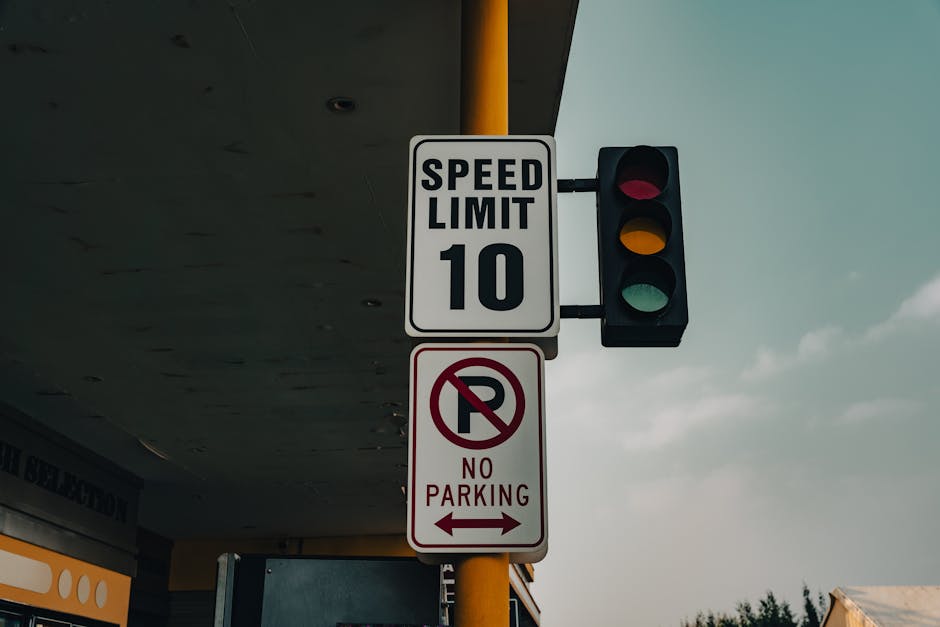
In simple terms, loading on Purley High Street is about finding a lawful place to stop, making use of the time you are allowed to stop there, and avoiding anything that causes obstruction or unnecessary risk. The exact restrictions can vary by bay type, time of day, nearby road markings, and local enforcement conditions, so it is always worth checking the signs on the street itself rather than relying on memory or guesswork. One faded line can ruin a perfectly planned morning.
Here is the practical reality most movers work with:
- Loading bays are the best option when available, because they are intended for short-term loading and unloading activity.
- Waiting restrictions may still allow loading in certain circumstances, but only if the stop is genuinely for active loading and not general parking.
- Double yellow lines can sometimes permit loading/unloading, but that is not the same as parking. The activity must be continuous and necessary.
- Kerbside obstruction is risky. Even if the van is partly on the road only for a minute, it may still create a hazard or attract enforcement.
What makes Purley High Street tricky is the blend of short-stay activity and passing local traffic. If the property is on the main road, you may need to coordinate the vehicle position, the lift path, and the door access before the van ever stops. That's why experienced movers often walk the route first, even if it looks obvious. A small check at the front door can reveal a steep step, a tight hallway, or a bollard that changes the whole plan.
For bigger or more awkward items, local moving knowledge really pays off. If you are dealing with a heavy wardrobe, a tight staircase, or a piano, the planning becomes more than parking. It becomes route design. You might find it useful to look at safe furniture tactics for narrow stairs in Purley homes and why piano moves are better left to the experts for the access side of the job.
Key Benefits and Practical Advantages
When you follow the loading and parking rules properly, the benefits are not just about avoiding a fine. The whole move tends to feel calmer. You waste less time, do fewer double-handling trips, and reduce the chance of damage to items or property.
- Faster loading: The van is closer to the door, so the team spends less time walking back and forth.
- Lower risk of damage: Fewer unnecessary carries means fewer knocks to furniture, walls, and frames.
- Better safety: Clear positioning reduces the chance of slips, trip hazards, and awkward lifts into traffic.
- Less stress: You are not improvising under pressure, which is often where mistakes creep in.
- Improved neighbour relations: A tidy, quick, respectful stop is much easier for everyone nearby.
There is another quiet benefit people overlook: better timing for the rest of the day. If the loading phase runs to plan, the rest of the move usually does too. That means less domino-effect disruption. You know the sort of thing: one missed item leads to a second trip, which leads to a late handover, which leads to a tired, slightly grumpy evening with a stack of boxes still in the hall. Not ideal.
If you are trying to streamline the wider moving process, articles like packing like a pro and smart decluttering before a move fit neatly with good loading practice. Less clutter means quicker handling. Quicker handling means fewer parking headaches. It all connects.
Who This Is For and When It Makes Sense
This guidance is useful for a wide range of people, not just full-house removals. In fact, some of the most awkward loading situations come from smaller jobs because people assume they will be easy. Often they are not.
- Home movers transporting boxes, beds, sofas, and white goods.
- Students moving in or out with limited time and tight access windows.
- Office teams shifting equipment, archive boxes, or desks from premises near the high street.
- Landlords and letting agents dealing with same-day clearances or end-of-tenancy moves.
- Furniture buyers and sellers arranging collection from a shop or private address.
- People with single bulky items like mattresses, wardrobes, or appliances.
It also makes sense when time is tight. If you only have a narrow loading window, or you are moving on a weekday morning when the street is at its busiest, you really want a plan rather than hope. Hope is not a parking strategy, let's face it.
For readers managing a fast turnaround, urgent eviction moves in Purley and confused by disposal fees in CR8 are useful companion reads because quick moves often bring parking, disposal, and access problems together in one messy bundle.
Step-by-Step Guidance
Here is a sensible way to approach a van stop on Purley High Street without overcomplicating it.
- Check the property access first. Look at the doorway, steps, hallway width, and whether items need to be carried upstairs. If the entrance is awkward, the parking plan should support the lift path, not fight it.
- Identify the best stop point. The ideal location is the closest lawful place to the property that allows safe loading. Do not assume the nearest space is automatically the best one.
- Read the on-street signs. Check any loading bay timing, waiting restrictions, and time limits carefully. Signs matter more than habit.
- Keep the loading route clear. Make sure boxes, trolleys, doors, and pavements are not blocked by loose items. One small box in the wrong place can become a trip hazard fast.
- Load in a sensible order. Put heavier, awkward items in first, then stack lighter items around them. If you are moving mixed loads, think about weight distribution and access at the destination.
- Work continuously. Loading allowances usually depend on active loading, not standing around with the doors open while someone finishes a coffee.
- Move off promptly. Once the job is done, clear the space so the street can keep flowing.
A simple habit helps here: assign one person to watch the vehicle while others carry. That does not have to be a formal role. It just prevents the sort of moment where everyone is focused on the wardrobe and nobody notices a bus building up behind them. A bit embarrassing, and avoidable.
If the job involves awkward or heavy items, it can be worth reviewing safe solo heavy object lifting and kinetic lifting techniques so the team can keep the loading pace steady without straining themselves.
Expert Tips for Better Results
These are the small things that often separate a smooth move from an irritating one.
1. Pre-pack the vehicle load order mentally
Before the van arrives, decide which items go in first and which should sit nearest the back doors. That saves time and avoids standing around staring at the pile. It sounds obvious, but in real life people often skip it.
2. Use a spotter on busy streets
A second person watching traffic, pedestrians, and door clearance makes a noticeable difference. Especially near lunchtime, when the street gets a bit more stop-start and people are less predictable.
3. Keep paperwork and keys separate from the load
It is easy to misplace a key, permit note, or building access card in the shuffle. Keep them in one pocket or a small pouch rather than a random box. You will thank yourself later.
4. Protect the pavement and threshold
If you are using dollies, ramps, or heavy trolleys, make sure they do not scrape the entrance or chip the kerb. Small damage feels small until the repair bill lands.
5. Build in a time buffer
Ten spare minutes can save the whole operation if someone needs to move a car, the lift is busy, or a neighbour asks a quick question. And yes, someone always asks a quick question.
For more on item protection and packing habits, take a look at how to transport your bed and mattress with ease and sofa storage and handling strategies. They are especially useful if your load includes delicate upholstery or spring-heavy furniture that does not forgive clumsy handling.
Common Mistakes to Avoid
A lot of loading problems on busy streets come from the same handful of mistakes. Once you know them, they are easy enough to avoid.
- Assuming a space is fine because it looks empty. Empty does not mean permitted.
- Using loading as a cover for waiting. Enforcement usually looks at what you are actually doing, not what you intended to do.
- Leaving doors or ramps open too long. This can create obstruction and makes the vehicle look unattended.
- Bringing the wrong van size. Too small means extra trips; too large can make access and parking harder than needed.
- Forgetting the unload side. A stop that works at the pickup point may be a poor fit at the destination.
- Overloading the team. If you try to rush heavy items without proper handling, you risk injury and damage.
Another common mistake is not matching the street plan to the move type. A flat clearance, an office move, and a student move all behave differently. A two-man job with boxes is one thing; a piano, mattress, and wardrobe combination is something else entirely. If you need a broader service overview, the page on removal services in Purley gives useful context, while house cleaning before you move is a good reminder that the end of the move matters too.
Tools, Resources and Recommendations
You do not need a huge kit to make loading easier, but a few sensible tools help a lot.
| Tool or resource | Why it helps | Best use |
|---|---|---|
| Furniture blankets | Protects wood, upholstery, and painted surfaces | For sofas, tables, and cabinets |
| Rope or straps | Stops movement in transit | Securing larger items inside the van |
| Hand trolley or sack truck | Reduces carrying strain | Appliances, boxes, and heavier household items |
| Gloves | Improves grip and protects hands | Loading rough-edged furniture or mixed materials |
| Floor protection | Helps avoid scuffs and dirt transfer | Busy homes, offices, and shared buildings |
Beyond equipment, the most useful resources are often the ones that help you prepare the load before the van appears. A good packing strategy matters. So does decluttering. So does having the right box sizes. It is all connected. If you are still sorting through the practical side of the move, packing guidance, packing and boxes support, and storage options in Purley can help reduce the pressure on loading day.
Expert summary: The safest and fastest van stops on Purley High Street are the ones that are planned before the engine switches off. Check access, match the vehicle to the job, keep the loading route clear, and work continuously until the van moves away. Simple, yes. But simple works.
Law, Compliance, Standards, or Best Practice
Where parking and loading are concerned, the safest approach is to treat road signs, markings, and local restrictions as the controlling rules for the street. This is important because loading allowances are usually conditional. They are not a free pass to park anywhere for as long as you like. If you stop in a way that blocks traffic, pedestrians, driveways, or access points, you may still be in trouble even if the vehicle is only there briefly.
Best practice in the moving industry is straightforward: stop only where the street layout and restriction signs allow it, keep the loading continuous, and avoid creating a hazard. If a permit, dispensation, or special arrangement is needed for a larger job, that should be organised in advance rather than hoped for on the day. That caution is especially useful near busy retail frontages and narrow access points.
For businesses or landlords, keeping a written record of the move plan is wise. It does not need to be fancy. A note of the date, the vehicle size, the planned loading window, and the access point can save arguments later. Small detail, big difference.
If the job also involves insured handling, damage prevention, or formal moving arrangements, the linked pages on insurance and safety and health and safety policy are useful background reading.
Options, Methods, or Comparison Table
Not every move on Purley High Street should be handled the same way. Here is a simple comparison of common approaches.
| Method | Best for | Pros | Watch-outs |
|---|---|---|---|
| Quick kerbside loading | Small to medium moves with light access needs | Fast, simple, low disruption | Needs careful timing and active loading |
| Loading bay stop | Busy street moves where a formal loading space exists | Usually the cleanest legal option | May have time limits or strict bay conditions |
| Two-person carry from nearby side road | When the main street is too restricted | Avoids blocking the high street | Longer carry distance, more physical effort |
| Phased load with helper vehicle | Multi-trip jobs or difficult access | Flexible and controlled | Needs planning and coordination |
In practice, the right method depends on the size of the job, the time of day, and how quickly you can keep the loading flow moving. There is no one perfect answer. Sometimes the shortest route is not the smartest one. Funny how often that turns out to be true.
If you are comparing broader moving options, the pages for man with a van in Purley, man and van services, and removal van support can help readers think about vehicle size, handling capacity, and the level of help they need.
Case Study or Real-World Example
Picture a typical weekday move from a first-floor flat off Purley High Street. The customer has a sofa, a bed frame, six boxes, a dining table, and a couple of bags. Nothing dramatic, but enough to cause trouble if the van ends up too far away or the loading window is mishandled.
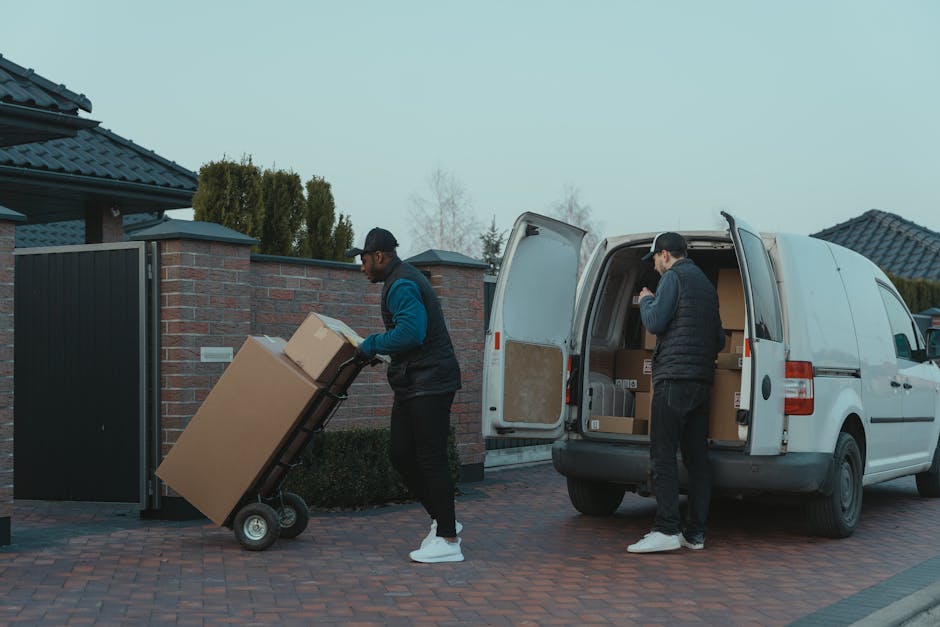
The team arrives, checks the frontage, and sees that the nearest space is not ideal because it would force a long carry across a busy pedestrian line. Instead, they use a better stop point slightly further along where the loading path is clearer and the van can be moved on quickly. One person carries boxes while the other keeps an eye on traffic and the van position. The sofa comes out wrapped, the mattress follows, and the bed frame is loaded last so it can sit neatly on top without being crushed.
That is the sort of move where planning makes the day feel almost boring. And boring is good. Boring means no fines, no damaged skirting boards, and no one muttering under their breath on the pavement at 9:15 in the morning.
This kind of job also shows why good prep matters for different item types. A bed and mattress need different handling from a coffee table. If your move involves specialty items, you may find expert piano move guidance, bed and mattress transport advice, and furniture removals support useful for shaping the plan.
Practical Checklist
Use this before the van arrives. It keeps the day tidy.
- Confirm the loading address and exact frontage.
- Check the street signs and any loading bay restrictions.
- Decide the safest stop point before the engine is switched off.
- Clear the path from the property to the van.
- Protect flooring, thresholds, and furniture surfaces.
- Assign someone to watch access and traffic if needed.
- Load the heaviest and most awkward items first.
- Keep paperwork, keys, and permits in one easy-to-reach place.
- Stay active while loading; do not leave the vehicle unattended for no reason.
- Move off as soon as the load is secure.
Quick takeaway: the safest loading plan is usually the simplest one that respects the street, the vehicle, and the job in front of you.
If your move is part of a bigger life change, a quieter approach helps. You can read more about that in secrets to a peaceful house move. It is a good reminder that moving well is not just about speed; it is about keeping your head clear enough to make sensible calls.
Conclusion
Van loading and parking on Purley High Street is not something to wing on the day. A little planning goes a long way. When you understand the street, pick the right stop, keep the loading active, and avoid the usual mistakes, the whole process becomes calmer and much more efficient.
For local moves, deliveries, and removal jobs, the best results usually come from combining practical access planning with sensible handling. That means choosing the right vehicle, preparing the load, and respecting the flow of the street. Simple things. But they matter.
And if you are sitting there with boxes stacked by the door, wondering whether the day will turn into chaos, take a breath. With the right plan, it does not have to.
Get a free quote today and see how much you can save.