Narrow Stairs in Purley Homes: Safe Furniture Tactics
Posted on 02/06/2026
If you live in Purley, you already know the charm of older homes can come with one awkward reality: narrow stairs. They might be fine for day-to-day life, but moving a sofa, wardrobe, mattress, or piano up or down them is a different story entirely. The margin for error is tiny, the corners feel tighter than they looked during the viewing, and one wrong move can turn a simple job into a scratched wall, strained back, or damaged item.
This guide breaks down Narrow Stairs in Purley Homes: Safe Furniture Tactics in plain English. You will learn how to assess the space, prepare furniture properly, move with better control, and decide when it makes more sense to bring in professional help. Truth be told, it is often less about brute strength and more about planning, angles, patience, and keeping everyone safe.
For deeper moving support, you may also find our guides on packing properly before moving day and safe solo heavy object lifting useful if you are trying to reduce risk before the stairs even come into play.
Why Narrow Stairs in Purley Homes: Safe Furniture Tactics Matters
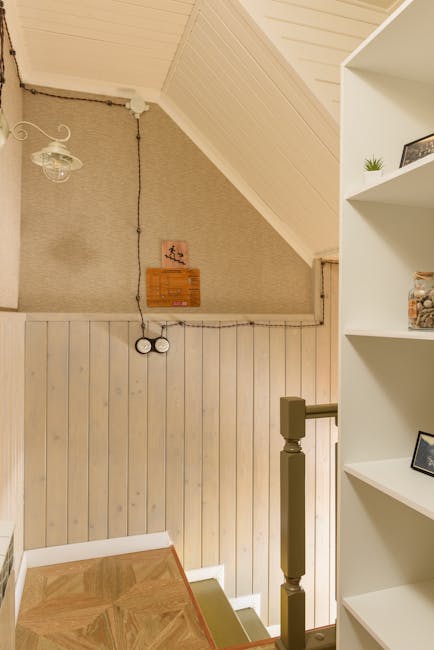
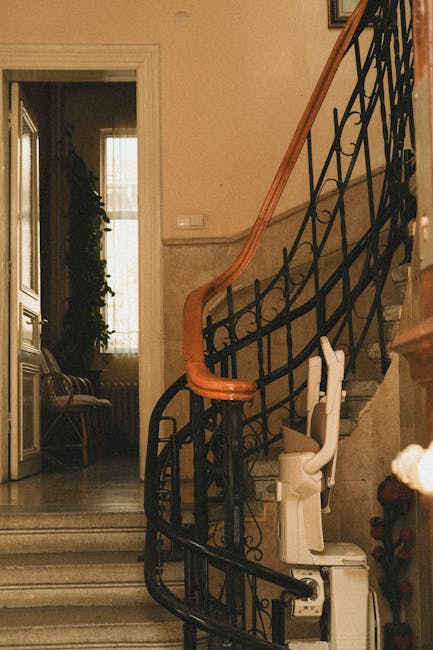
Narrow staircases change everything about a furniture move. A piece that looks manageable in the hallway can become awkward the moment it needs to turn, tilt, or clear a banister. In many Purley homes, especially flats, maisonettes, and older terraces, stairs are not just narrow; they are narrow and unforgiving. There is usually little landing space, odd ceiling heights, and sometimes a bend halfway up that makes the whole task feel like a puzzle with a heavy, expensive piece in the middle of it.
This matters for three reasons. First, safety: strained shoulders, trapped fingers, and twisted backs are common when people rush. Second, property protection: stair edges, walls, paintwork, and bannisters can take a battering. Third, furniture protection: a chipped corner on a wardrobe or crushed sofa arm is the sort of damage that is annoying at best and costly at worst.
There is also the emotional side. Moving is already noisy, busy, and a bit tense. Add a tight staircase and you can feel the whole day tighten up with it. A good method reduces that pressure. That is why careful planning is worth more than last-minute heroics. If you want a calmer move overall, our guide to a peaceful house move fits neatly alongside this one.
Key point: narrow stairs are not just an inconvenience. They are a moving-day risk factor, and they need a proper tactic, not guesswork.
How Narrow Stairs in Purley Homes: Safe Furniture Tactics Works
The basic idea is simple: reduce size, reduce weight where possible, protect the route, and move the item in the safest angle you can manage. In practice, that means thinking through the route before lifting anything. Measure the item. Measure the staircase. Measure the turns, the ceiling height at the bend, and the width at the tightest point. A tape measure is not glamorous, but it saves a lot of grief.
Furniture often moves better when it is partially dismantled. Bed frames, table legs, shelving units, and modular sofas may all become easier to handle once a few fixings are removed. One forgotten hinge or protruding handle can be the difference between a clean pass and a scraped wall. And yes, sometimes it is the tiny bit you nearly ignored that causes the whole problem. Happens all the time.
Safe stair-moving usually combines a few methods:
- Angling: turning the furniture diagonally to use the full width of the stairwell.
- Tilting: adjusting the centre of gravity so the item clears the banister or ceiling edge.
- Two-person control: one person guides, the other supports and balances.
- Padding: protecting corners, rails, and door frames with blankets or covers.
- Short rests: pausing on landings rather than forcing the job in one push.
For heavier or more awkward items, professional movers often rely on planning tools, lifting technique, and simple route discipline rather than sheer muscle. If you are interested in how controlled movement methods help on difficult lifts, our piece on kinetic lifting techniques is a useful companion read.
Key Benefits and Practical Advantages
Safe furniture tactics on narrow stairs do more than stop accidents. They make the whole move smoother. That sounds obvious, but people underestimate how much energy is lost to panic, repeated re-tries, and stopping to fix avoidable mistakes.
Here are the real-world benefits:
- Fewer injuries: less strain on backs, shoulders, knees, and wrists.
- Less damage: fewer marks to walls, stair rails, and furniture finishes.
- Better timing: a planned move usually takes less time than an improvised one.
- Lower stress: everyone stays calmer when the route and roles are clear.
- Improved confidence: you are not guessing at the worst possible moment.
There is also a practical money angle. Damaged furniture, paint repairs, or a delayed move can all cost more than arranging the job properly in the first place. Not always, of course, but often enough to matter. If you are comparing moving support, the broader options on furniture removals in Purley and our removal services in Purley can help you decide what level of help suits the staircase and the item.
Practical advantage in one line: the right tactic turns a risky squeeze into a controlled carry.
Who This Is For and When It Makes Sense
This approach is for anyone moving furniture through tight internal stairs, but some situations benefit from it more than others.
You will likely need it if:
- your home has a narrow stairwell, a turning stair, or a tight landing;
- you are moving bulky items like wardrobes, sofas, beds, bookcases, or appliances;
- you live in a Purley flat or maisonette with limited hallway space;
- you are moving on your own or with only one helper;
- the item is valuable, sentimental, or awkwardly shaped;
- the staircase includes a bannister that cannot be easily removed.
It also makes sense when time is limited. If the move has to happen quickly, perhaps because keys overlap by only a short window, narrow stairs become a planning problem as much as a physical one. In that case, a professional team or a van-and-loader setup may be worth considering. For readers weighing service types, man and van Purley and man with a van in Purley are useful starting points.
Small reality check: if you have to ask yourself "will this even turn the corner?", that is usually a sign to slow down and plan properly before someone gets stuck halfway up the stairs. Which, to be fair, happens more often than people admit.
Step-by-Step Guidance
Below is a practical method you can follow. It is deliberately straightforward. No drama, no clever tricks that sound impressive but fail on a Tuesday afternoon.
1. Measure the item and the stair route
Measure height, width, and depth of the furniture. Then measure the staircase width, any turns, the landing size, and the clearance above the stairs. Watch out for light fittings, low ceilings, and handrails that steal space. If the item is modular, measure it both assembled and partially dismantled.
2. Clear the route completely
Remove rugs, shoes, baskets, side tables, and anything else that could catch a foot. Open doors fully. If possible, protect the floor and the bottom few steps with covers or cardboard. It sounds a little fussy. It isn't. A clean route reduces split-second errors.
3. Strip the furniture down where sensible
Take off legs, drawers, cushions, shelves, mirrors, or loose fittings. Tape small hardware into labelled bags and keep them with the relevant item. For beds, remove slats and headboards separately. For sofas, take off cushions and detachable arms if the design allows. If you need help with beds specifically, see how to transport a bed and mattress with ease.
4. Wrap and protect the item
Use thick blankets, furniture covers, stretch wrap, or soft padding on corners and sharp edges. Do not over-wrap so much that you lose grip or trap the item in extra bulk. It is a balance. For delicate upholstery, our article on sofa protection and storage strategies gives useful care ideas that also translate well to moving day.
5. Assign clear roles
One person should lead from the bottom or top depending on the direction of travel, while the second person supports and balances. Avoid both people trying to lead at once. That is when instructions get mixed and the furniture starts wobbling like a shopping trolley with one dodgy wheel.
6. Move slowly and communicate constantly
Use simple calls: "pause", "lift", "turn", "lower". Keep the item close to the body but not pressed so hard that it becomes unmanageable. Take each step carefully. On landings, stop and reset your grip if needed. No rush. Ever.
7. Reassess before every turn
Turns are the danger point. Reposition, tilt, and re-check before pushing ahead. If the item is catching the wall or bannister, stop and adjust. Do not force it. Forcing usually makes the angle worse, not better.
8. Finish with a proper reset
Once the item is through, inspect the furniture and the staircase for scuffs, loose parts, or missed fixings. Reassemble carefully and keep the hardware organised. A quick tidy now prevents the "where did that screw go?" moment later.
Expert Tips for Better Results
These are the small details that often make the biggest difference. They are not fancy, but they matter.
- Use the full diagonal: narrow stairs often give you more usable space diagonally than straight-on.
- Test the angle with a lightweight dummy run: even a dry run with a cardboard template can reveal a tight corner.
- Keep hands clear of pinch points: fingers near stair edges and hinges are at real risk.
- Do the heavy item first, if possible: fresh energy helps with control.
- Protect the old paintwork twice: Purley homes with older stairs often have surfaces that mark easily.
- Take photos of dismantled parts: helpful for reassembly later, especially with beds and wardrobes.
If you are sorting the move in a broader sense, it helps to declutter first. Less clutter means less juggling in stairwells, which is honestly a gift. Our guide on smart decluttering before a move pairs nicely with stair planning, and pre-move cleaning can help you spot damage or dust before anything goes back in place.
Expert summary: the safest move is usually the one that looks a bit slower than you expected.
Common Mistakes to Avoid
Most stair-moving problems come from the same few habits. They are easy to spot once you know what to look for.
- Skipping measurements. Guessing rarely ends well.
- Forcing the turn. If it is not clearing, stop and re-angle it.
- Leaving drawers or loose shelves inside. That extra movement changes the balance.
- Lifting with the back instead of the legs. Classic mistake, and one nobody enjoys afterwards.
- Not clearing the route first. One stray shoe is enough to create a stumble.
- Using too many helpers without coordination. More people can actually mean more confusion.
- Ignoring the final destination. A bed may fit the stairs but still be awkward in the upstairs room. Plan both.
Another common issue is trying to move a piece that should really be broken down further. If you are unsure, ask yourself a simple question: is the object awkward, or is it too big for the route as it stands? Those are not the same thing. And that distinction saves a lot of head-scratching.
For some items, the smarter choice is a specialist. Pianos are the obvious example, and our guide to leaving piano moves to the experts explains why extra care matters so much.
Tools, Resources and Recommendations
You do not need a van full of gear to handle narrow stairs safely, but the right tools make the job much easier.
| Tool or Resource | What It Helps With | Best Used For |
|---|---|---|
| Furniture blankets | Protecting finishes and stair edges | Sofas, wardrobes, tables |
| Stretch wrap | Keeping drawers, cushions, and loose parts secure | Modular items and upholstered furniture |
| Work gloves | Improving grip and protecting hands | General handling, especially on narrow landings |
| Furniture sliders | Reducing friction on flat surfaces | Short moves before or after the stairs |
| Basic tool kit | Removing legs, bolts, and fittings | Beds, tables, shelving, flat-pack items |
| Tape and labelled bags | Keeping hardware organised | Dismantled furniture |
If your move involves several heavy items, a broader removals service can save a lot of back-and-forth. You can compare support options through house removals in Purley, removals in Purley, or even flat removals in Purley if your staircase challenge is tied to a smaller property. Students moving into compact homes may also benefit from student removals in Purley.
You may also want to review packing and boxes in Purley if you are packing tools, fittings, or delicate accessories for the move.
Law, Compliance, Standards, or Best Practice
Furniture moving in the UK is not usually a highly regulated activity in the way some trades are, but safety still matters. Anyone handling heavy items should follow reasonable manual handling best practice, which means reducing unnecessary lifting, assessing the load, and not asking people to do tasks that clearly exceed their ability or the safe conditions of the route.
In practical terms, that means planning the move so it is sensible, not heroic. If a staircase is very tight, if the furniture is unusually heavy, or if the item could block an exit, treat that as a warning sign. It is better to pause and get help than to create an avoidable accident.
Reputable movers also tend to work with health and safety policies, insurance arrangements, and clear customer terms. That may sound like admin, but it matters if something unexpected happens. For readers who want more reassurance about how a provider approaches risk, the site's health and safety policy, insurance and safety information, and terms and conditions are sensible places to look. If privacy or payments are part of your booking process, there is also payment and security information and the privacy policy.
Best practice is simple here: protect people first, then property, then the item. In that order.
Options, Methods, or Comparison Table
Different furniture and different staircases call for different approaches. This table gives a straightforward comparison.
| Method | Best For | Pros | Watch Out For |
|---|---|---|---|
| Two-person carry | Medium-sized furniture | Good control, easy communication | Still risky on very tight turns |
| Partial dismantling | Beds, wardrobes, shelving | Reduces bulk and awkward angles | Needs careful hardware tracking |
| Protect-and-pivot technique | Sofas and upholstered items | Helps preserve fabric and walls | Can add bulk if over-wrapped |
| Professional removal support | Heavy, valuable, or difficult items | Less strain, more confidence, better handling | Requires planning and possibly higher cost |
| Storage first, move later | Homes with no clear route on moving day | Reduces pressure and keeps items safe | Involves extra logistics |
If you are unsure which route to choose, it often helps to think in terms of time, risk, and value. A cheap shortcut can become expensive if it damages the item or the staircase. If the property layout is particularly awkward, an additional vehicle or a more tailored removal service can be the calmer option. Our removal van service in Purley and services overview can help you match the method to the move.
Case Study or Real-World Example
Picture a typical Purley move: a two-bedroom flat, one narrow staircase, and a large three-seater sofa that has to go upstairs before the beds arrive. The hallway looks manageable until the sofa reaches the bend. Suddenly it becomes clear that straight lifting will not work. The arm catches the wall, the angle feels wrong, and everyone pauses. Good pause, though. That pause matters.
What works in that situation is a simple reset. The team removes the cushions, checks whether the feet can be detached, wraps the sofa corners, and repositions one person on the lower end and one near the top. They rotate the sofa diagonally and use the landing as a temporary staging point. Once the line of movement is clear, they continue slowly, with verbal calls at every shift. No rushing, no shouting over each other, just steady progress.
The result is not exciting, which is exactly the point. The sofa arrives intact. The walls stay clean. The move keeps moving. A bit boring, maybe. But boring is good on moving day.
When routes need extra thought, local planning can help too. For instance, some moves in the wider area benefit from route awareness around old streets and busy junctions. If you want more of that local angle, have a look at the best removal routes for Old Lodge Lane and Purley Oaks and the office move guide for Purley Way and Croydon business parks.
Practical Checklist
Use this checklist before you move any large furniture on narrow stairs:
- Measure the furniture and the staircase, including landings and ceiling clearance.
- Remove loose parts, drawers, cushions, legs, or shelves.
- Pack hardware into labelled bags and keep it with the matching item.
- Clear the stairway, hallway, and landing completely.
- Protect walls, rails, and floors with blankets or covers where needed.
- Wear shoes with good grip and gloves if the item is slippery or heavy.
- Assign one lead person and one support person for the lift.
- Agree on simple voice commands before you start.
- Take your time at every turn and landing.
- Stop immediately if balance, grip, or visibility becomes poor.
- Reassemble furniture only after checking all parts are accounted for.
- Call in help if the item is too heavy, too awkward, or too valuable to risk.
Short takeaway: if the route is tight, preparation is not optional. It is the job.
If you want a more structured moving plan, it can also help to think ahead about storage. Temporary storage gives you breathing room when stair access, decorating, or timing makes same-day placement a bad idea. Our pages on storage in Purley and even secure storage tips for another type of item show how careful storage thinking can support a smoother move overall.
Conclusion
Narrow stairs do not have to ruin a move, but they do demand respect. The best furniture tactics are the ones that combine measurement, preparation, controlled lifting, and honest judgement about when something is too awkward to do casually. In Purley homes, that is especially true where staircases can be compact, turned, or just plain stubborn.
Take the time to strip furniture down, protect the route, communicate clearly, and choose help before anyone gets tired or frustrated. That little bit of planning changes everything. It makes the process safer, calmer, and usually quicker too.
Get a free quote today and see how much you can save.
And if nothing else, remember this: a careful move is always easier to live with than a rushed one.